The best apps that pay you to walk in 2026 are WeWard for simple cash, StepBet for higher-risk cash upside, CashWalk for gift cards, and Sweatcoin for marketplace rewards. MistyWay is not a cash payout app; it is the best non-cash alternative if tiny rewards are not enough to keep you walking.
- Best for real PayPal cash: WeWard — expect small payouts, with terms varying by country.
- Best for highest cash upside: StepBet — higher payout potential, but you risk your stake.
- Best for gift cards: CashWalk — simple step rewards, but ad load and inventory vary.
- Best for staying motivated: MistyWay — quests, biomes, streaks, friends, and no ads.
- Best Sweatcoin alternative: read the full Sweatcoin alternatives comparison.
The idea is simple: download an app, walk, get paid. Search for "app that pays you to walk" and you'll find dozens of options promising free money for your daily steps. The reality is more complicated. Most walking reward apps pay small amounts, often less than the cost of a coffee for casual monthly use. Some require GPS tracking, others show constant ads, and some exchange rewards for health or location data access.
Reality check: if you want money, choose a real reward app like WeWard, StepBet, CashWalk, Sweatcoin, or Evidation. If you want to walk more every week, a walking game like MistyWay may work better because it replaces tiny payouts with quests, progress, and social motivation.
We compared seven walking apps by payout model, redemption friction, ad load, GPS use, battery impact, privacy trade-offs, and whether the app is likely to keep you walking after the novelty fades.
WALK FOR PROGRESS, NOT PENNIES
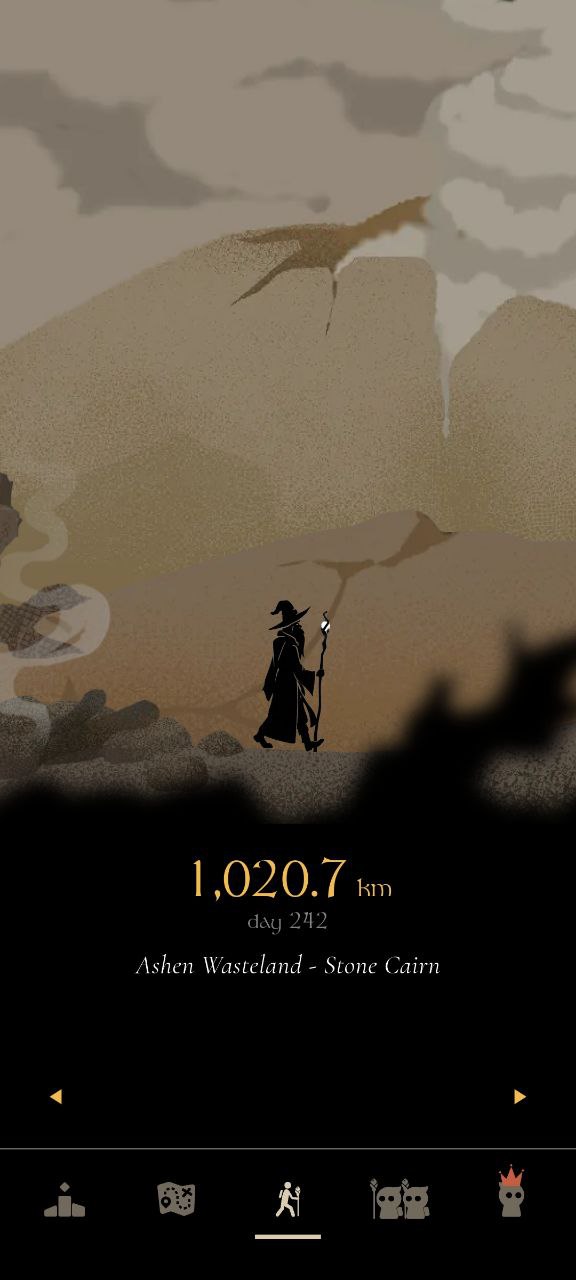
MistyWay does not pay cash. It turns every step into quests, treasures, and fantasy progress.
Free to start · No ads · No GPS route tracking
Quick Comparison: Apps That Pay You to Walk
| App | How It Pays | Typical Value | Ads | GPS Required |
|---|---|---|---|---|
| Sweatcoin | Marketplace tokens | Small rewards | Frequent | Often yes |
| WeWard | PayPal / bank transfer | Small cash payouts | Moderate | Often yes |
| CashWalk | Gift cards | Small gift cards | Frequent | No |
| StepBet | Cash (betting pool) | Higher upside, stake at risk | Low | No |
| Evidation | Gift cards | Slow background rewards | Low | No |
| Charity Miles | Donation to charity | No personal payout | Session-based | Yes |
| MistyWay | RPG gameplay (no cash) | No payout | None | No |
1. Sweatcoin — The Original Walk-to-Earn App
Sweatcoin pioneered the get-paid-to-walk category back in 2016. The app converts outdoor steps into "Sweatcoins" that you can redeem in a marketplace for products, gift cards, and experiences. In theory, it's free money for walking. In practice, value depends on available offers, region, and how many eligible steps the app accepts.
The bigger issue in 2026 is the experience. Sweatcoin leans on ads, marketplace offers, and outdoor-step validation. High-ticket rewards can require a long saving period, so treat it as a rewards app, not income.
Best for: People who want a simple, established app and don't mind ads or GPS tracking. Avoid if: You value battery life or expect meaningful earnings.
2. WeWard — Best for Real Cash Payouts
WeWard is one of the stronger options if you want actual money deposited into your bank account or PayPal. Steps convert to "Wards"; cash-out timing depends on your country, walking volume, bonuses, and current redemption terms.
The app also offers bonus Wards for validating visits to local shops — a clever mechanic, though it adds location trade-offs. Availability and payout options vary by market.
Best for: Walkers who want the simplest path to actual PayPal cash. Avoid if: You walk mostly indoors (GPS-dependent step counting misses treadmill/indoor steps).
3. CashWalk — Gift Cards for Daily Steps
CashWalk pays in "coins" redeemable for gift cards to Amazon, Starbucks, Target, and other retailers when inventory is available. Earnings are capped daily, so the app is best treated as occasional gift-card value rather than reliable income.
The advantage over GPS-heavy reward apps: CashWalk uses your phone's built-in pedometer, so no route tracking is required. The downside is ad load and limited gift-card selection.
Best for: Indoor walkers and treadmill users who can't use GPS-dependent apps. Avoid if: You want cash, not gift cards.
4. StepBet — Highest Earning Potential
StepBet takes a fundamentally different approach: you bet real money on yourself. You stake money, commit to personalized daily step goals for a multi-week game, and if you hit every target, you split the prize pool with other winners. Upside can be higher than reward apps, but your stake is at risk.
The risk is real: miss the target and you can lose your stake. This isn't passive income — it's a commitment device with financial consequences. StepBet uses data from your fitness tracker to set realistic-but-challenging goals, so you can't just sandbag. It relies on fitness-tracker sync rather than route GPS.
Best for: Consistent walkers who respond to financial stakes and want the highest per-game earnings. Avoid if: Your schedule is unpredictable or you're risk-averse.
5. Evidation — Lowest Effort, Set-and-Forget
Evidation (formerly Achievement) connects to Apple Health, Google Fit, Fitbit, and other health apps, then quietly rewards you for activities you're already tracking — walking, sleeping, logging meals, answering health surveys. It accumulates points in the background and pays out once you reach the current redemption threshold.
The trade-off is transparent: Evidation shares your anonymized health data with pharmaceutical and research companies. They're upfront about this in their privacy policy. Near-zero ads. No GPS required. If you're comfortable with the data exchange, it's the lowest-friction option.
Best for: People who want passive background earnings with zero daily interaction. Avoid if: You're uncomfortable with health data being shared for research purposes.
6. Charity Miles — Walk for a Cause
Charity Miles flips the model: corporate sponsors donate to selected charities when you log activity. You choose from supported charities, and the money does not go to you — it goes to the charity.
GPS or workout tracking may be needed to verify distance. For many people, that feels more meaningful than earning tiny personal rewards.
Best for: Walkers who want their steps to have social impact. Avoid if: You need the money for yourself.
7. MistyWay — Skip the Cash, Play an RPG Instead (Our App)
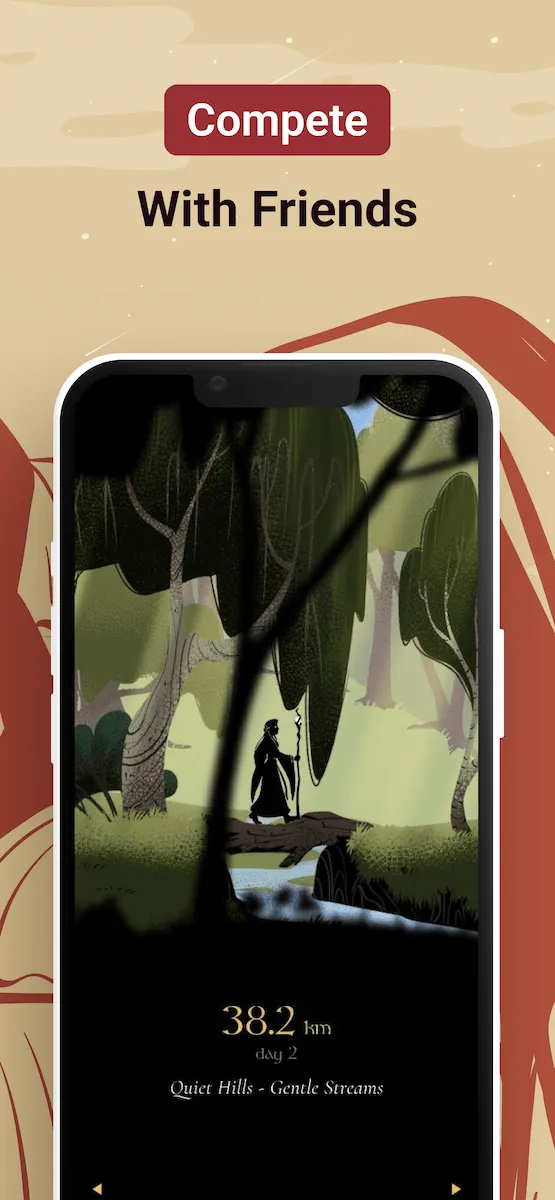
MistyWay doesn't pay you anything. Zero cash, zero tokens, zero gift cards. Instead, it turns your daily steps into a fantasy RPG adventure. Walk through hand-painted worlds, fight monsters, collect treasures, complete quests, and level up your character. Every step you take in real life moves your character forward in the game.
We built MistyWay because we believe the get-paid-to-walk model has a fundamental problem: a few cents of perceived value per day usually isn't motivating. After the novelty wears off, the tiny cash reward isn't enough to get you off the couch. Game mechanics — wanting to see the next biome, complete a quest, or defeat a boss — create intrinsic motivation that scales with engagement, not with a shrinking ad budget.
No ads. No GPS route tracking. No minimum payout thresholds. Just a walking game that makes your daily steps feel like an adventure. Free on iOS and Android.
Best for: People who've tried cash walking apps and found the earnings underwhelming. Avoid if: You specifically want to earn money (even small amounts) from walking.
Which App Is Right for You?
The right get-paid-to-walk app depends on what you actually want from it:
If you want real cash in your bank account: WeWard is one of the cleaner PayPal-oriented options. Expect small payouts, not income.
If you want the highest potential earnings: StepBet has higher upside than reward apps, but you need to stake money and commit to consistent walking. Miss the target and you can lose the stake.
If you want zero effort: Evidation runs in the background, connects to your existing fitness tracker, and pays out Amazon gift cards every few months. You'll forget it's there — which is kind of the point.
If you want your steps to help others: Charity Miles donates real money to real charities. The per-mile rate is actually higher than what most cash apps pay you directly.
If you've tried cash apps and they didn't stick: The problem might not be the payout amount — it might be that extrinsic motivation (tiny cash) doesn't work long-term. MistyWay uses game mechanics instead of money. No ads, no GPS, no data trade-offs.
One honest note: no app will pay you meaningful income just for walking. The economics don't support it. If an app promises large monthly payouts for ordinary walking, read the terms carefully. The real question isn't "which app pays the most?" but "which motivation model actually keeps me walking?"
FAQ
What is the best app that pays you to walk?
If you specifically want money, WeWard is the simplest cash-out pick and StepBet has the highest upside with stake risk. CashWalk is better for gift cards, Sweatcoin is better for marketplace rewards, and Evidation is better for slow background rewards. MistyWay is best if you want no-ad walking motivation rather than payouts.
How much money can you make from walking apps?
Realistically, most walking reward apps produce small monthly value for casual walking. StepBet is different because it is a commitment game with stake risk. No legitimate app will pay significant money just for ordinary walking — the revenue usually comes from ads, offers, sponsorships, or data partnerships, and users get a small cut.
Are walking apps that pay you legit?
Yes. Sweatcoin, WeWard, StepBet, CashWalk, and Evidation are all legitimate apps that do pay out. The amounts are just very small. The real cost to consider is your data and attention: most require GPS tracking, show daily ads, or share health data with third parties. Read the privacy policy before installing any walk-for-money app.